23 Best Indoor Plants for Beginners to Easily Add to Your Home Decor
Indoor plants can enhance your living space by adding color, texture, and a sense of calm. Choosing the right plants makes a difference, especially if you are new to plant care and want to avoid unneeded frustration or wasted effort.
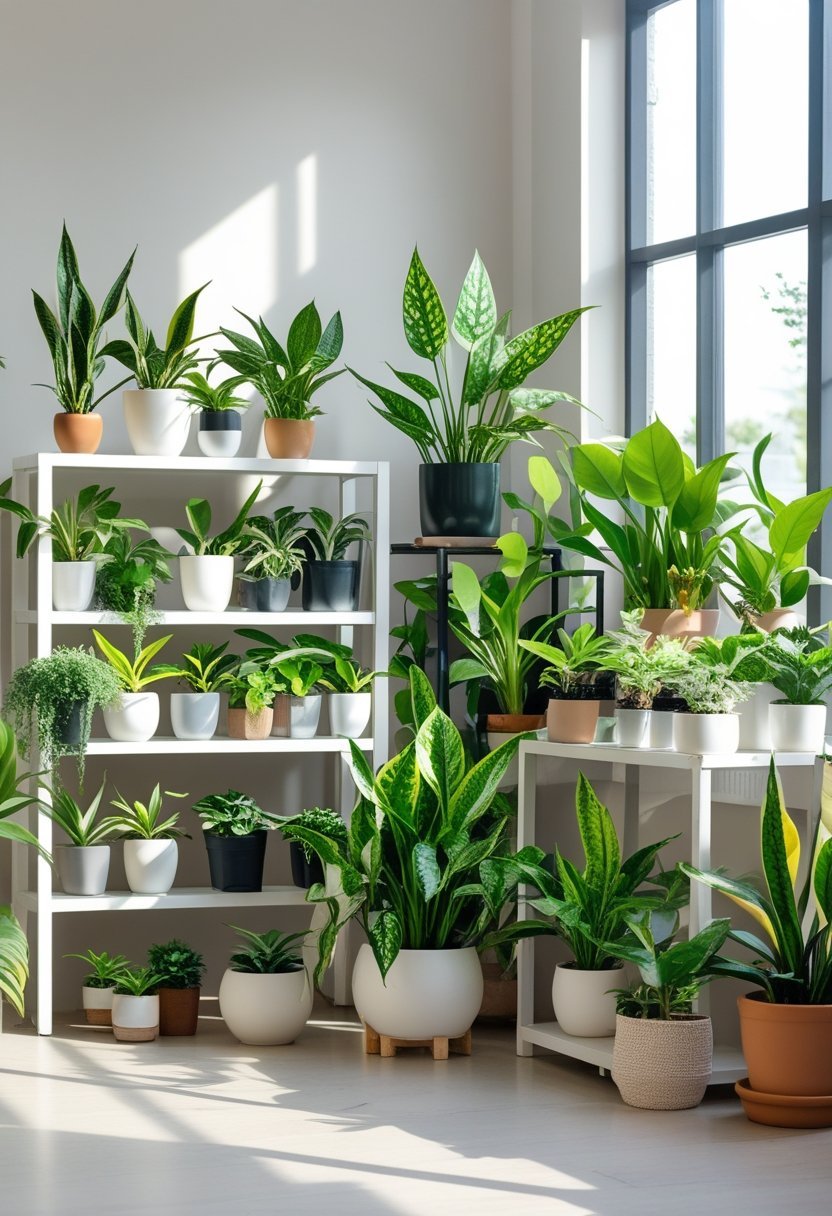
The 23 best indoor plants for beginners are easy to care for, tolerant of common mistakes, and suitable for a variety of lighting conditions, helping you succeed without much experience. These indoor plants offer both aesthetic and practical benefits, like improving air quality and requiring minimal maintenance.
Top 10 Best Indoor Plants
1) Snake Plant (Sansevieria)
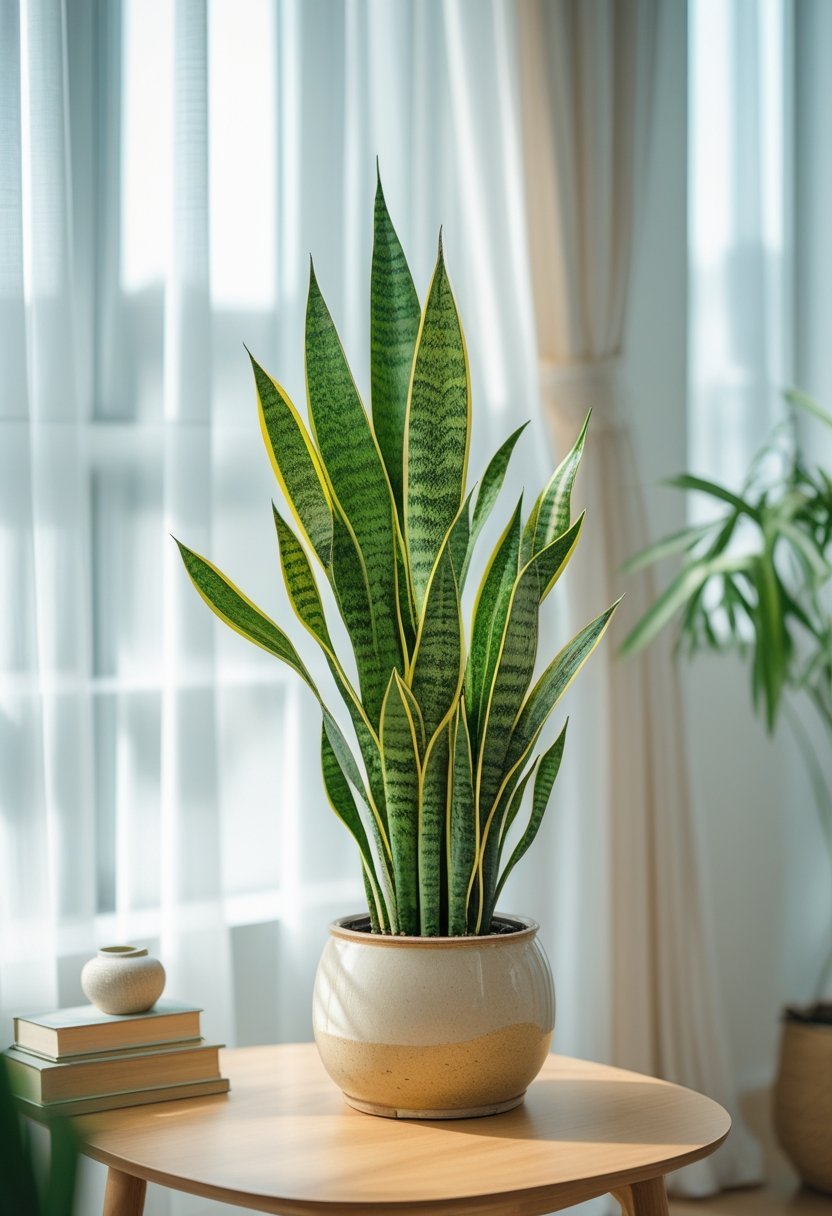
The Snake Plant is a hardy, low-maintenance indoor plant option perfect for beginners. It tolerates low light and infrequent watering, making it ideal for busy folks or new plant owners.
Its upright, sword-like leaves offer a modern look that fits well in any indoor space. You’ll also benefit from its air-purifying qualities.
2) Spider Plant (Chlorophytum comosum)
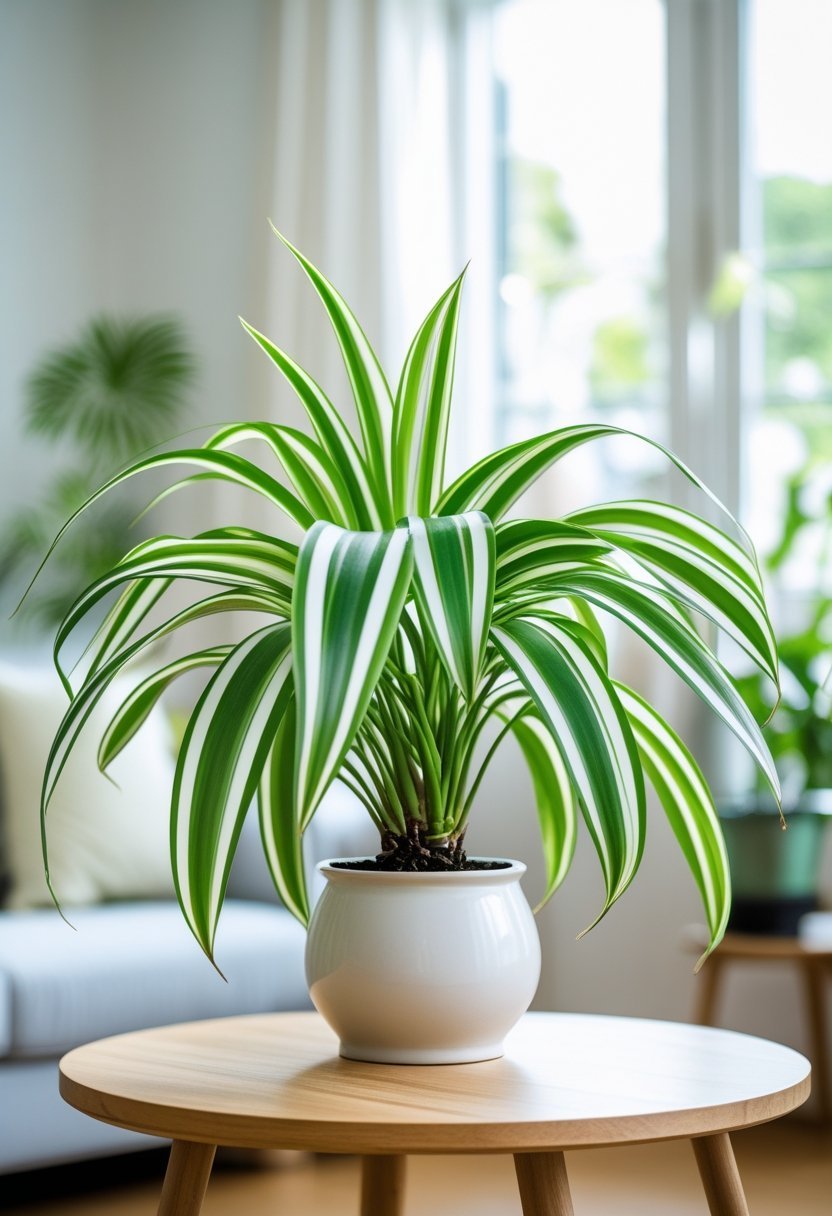
You will find the Spider Plant easy to grow and maintain, making it ideal for beginners. It adapts well to various indoor conditions and requires bright, indirect light.
Keep its soil consistently moist but well-drained. You can propagate new plants easily from its small plantlets, known as “pups.”
3) Pothos (Epipremnum aureum)
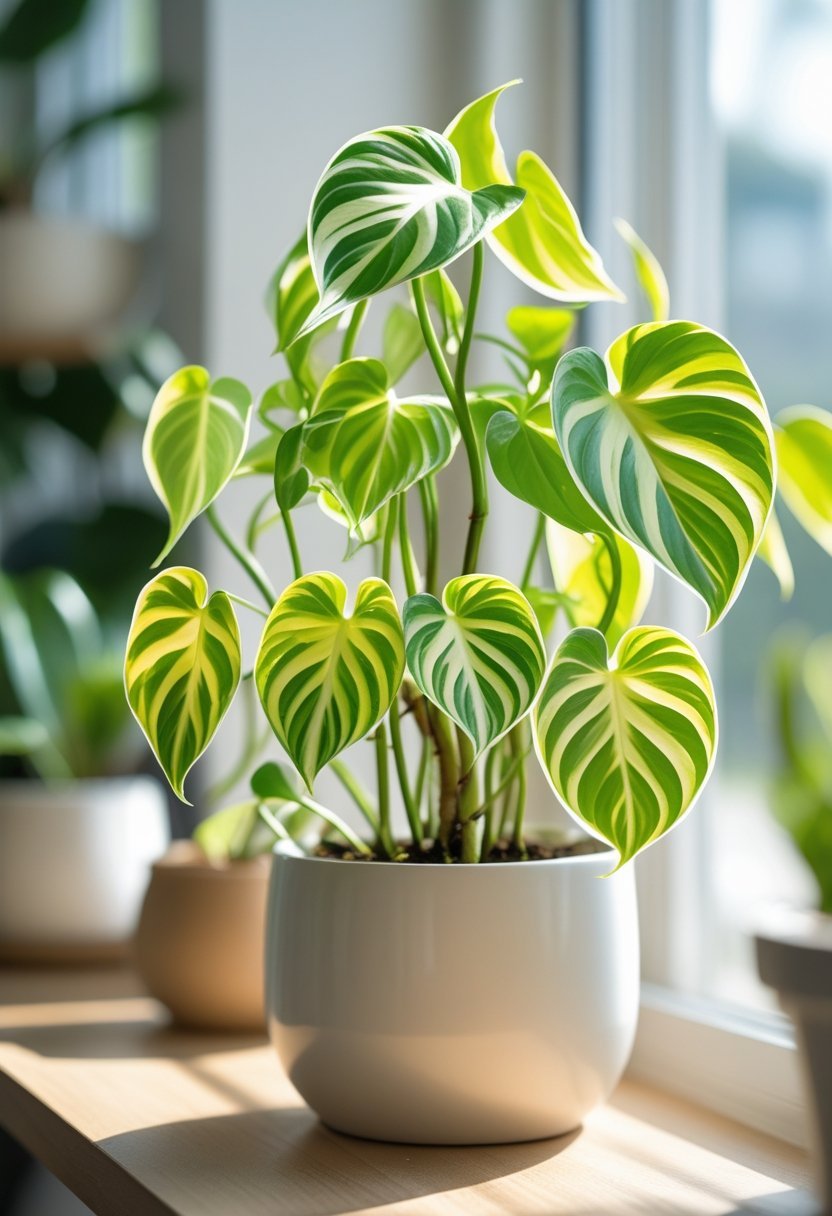
Pothos is an excellent choice if you want a low-maintenance indoor plant. It adapts well to different lighting conditions and can tolerate occasional neglect.
You can grow it in hanging baskets or allow it to climb supports. Its heart-shaped leaves with green and gold variegation add a touch of color to your space.
This plant also helps improve indoor air quality by filtering common toxins. Regular pruning keeps it healthy and manageable in size.
💛 Create your dream cozy sanctuary—discover 15 Warm Apartment Aesthetic Decor Ideas that turn any space into a stylish, inviting retreat. Learn how simple touches like layered lighting, natural textures, and greenery can transform your home instantly.
4) ZZ Plant (Zamioculcas zamiifolia)
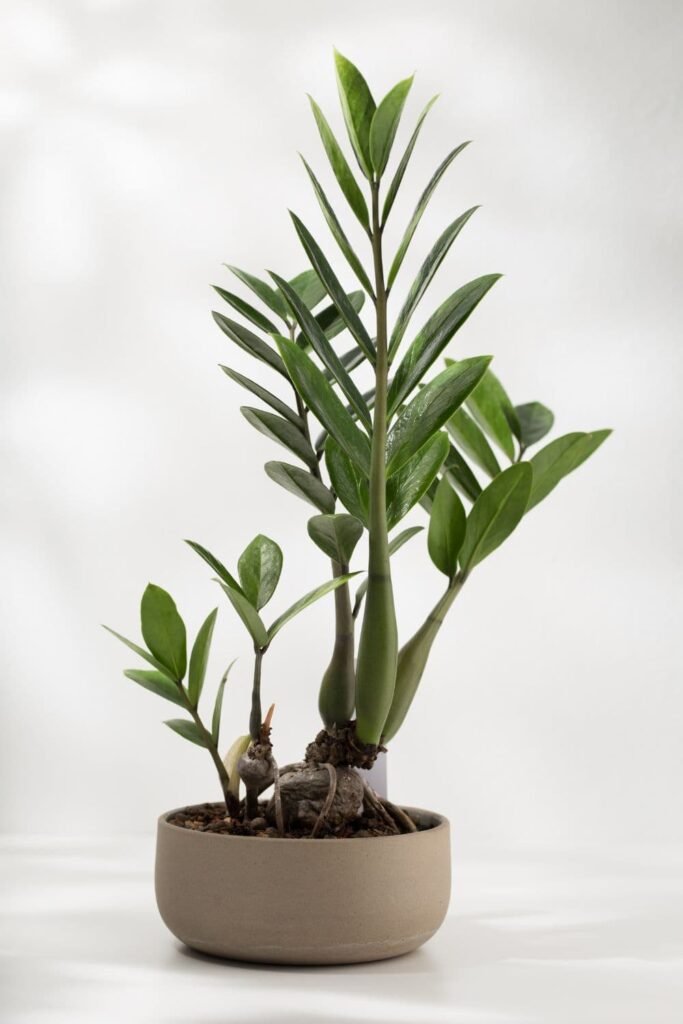
You will find the ZZ Plant to be a low-maintenance houseplant suited for beginners. It tolerates low light and infrequent watering, making it ideal for busy or forgetful plant owners.
Its dark green, waxy leaves add a modern touch to any room. The thick stems store water, allowing the plant to survive long dry periods without damage.
5) Aloe Vera
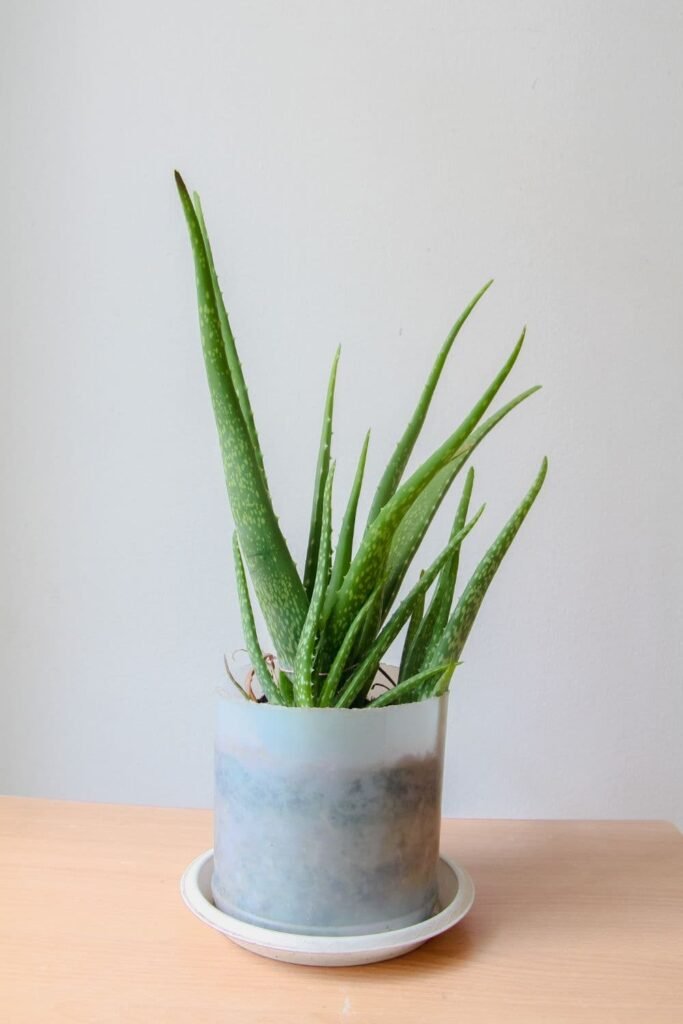
Aloe Vera is a hardy succulent that thrives indoors with minimal care. You only need to water it sparingly and provide bright, indirect sunlight for healthy growth.
Its thick leaves contain a gel often used for soothing minor skin irritations. This plant is ideal if you want both greenery and a natural remedy close at hand.
You can place Aloe Vera in well-draining soil and avoid overwatering to prevent root rot. It is beginner-friendly and adds a clean, modern look to your space.
6) Peace Lily (Spathiphyllum)
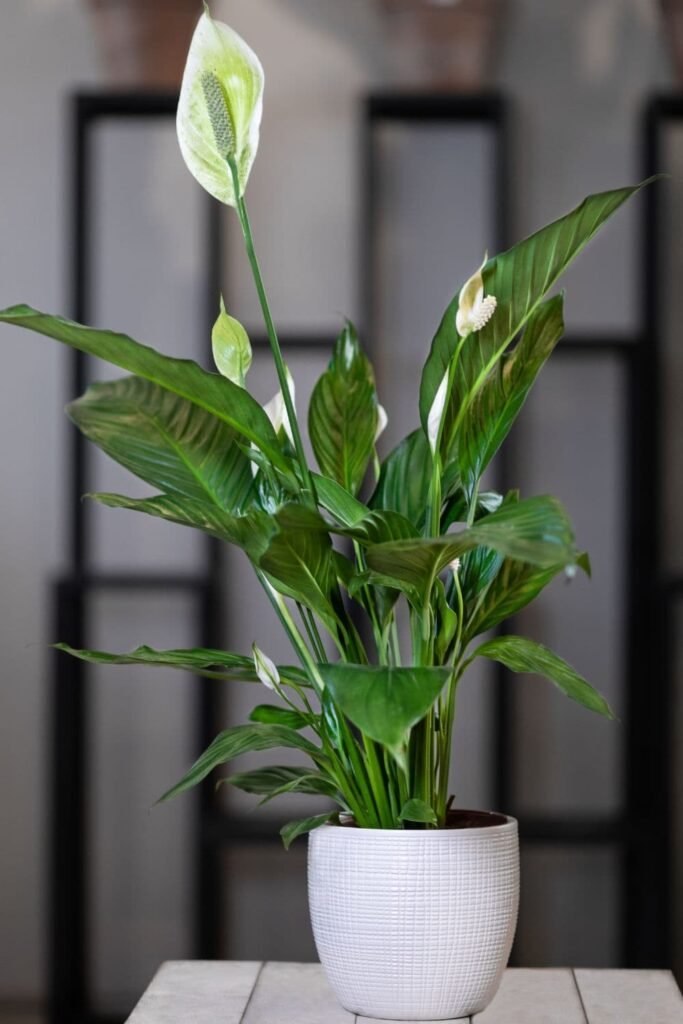
You will find Peace Lilies easy to care for and visually appealing with their glossy green leaves and white blooms. They adapt well to low light, making them ideal for indoor spaces with indirect sunlight.
Water your Peace Lily when the soil feels dry but avoid overwatering. They thrive in moderate humidity and room temperatures between 65-80°F. Wiping leaves occasionally helps keep them dust-free.
Besides beauty, Peace Lilies help improve indoor air quality. Monthly feeding during the growing season supports healthy growth. These traits make them a reliable choice for beginners.
📌 Get Fresh Plant & Decor Inspiration Every Day
Want endless ideas to style your home with cozy, plant-filled charm? Join us on Pinterest where we share daily indoor plant styling tips, renter-friendly decor hacks, and warm apartment aesthetic inspiration you can save for later.
👉 Follow Plant Decor Daily on Pinterest and start curating your dream space today.
7) Philodendron
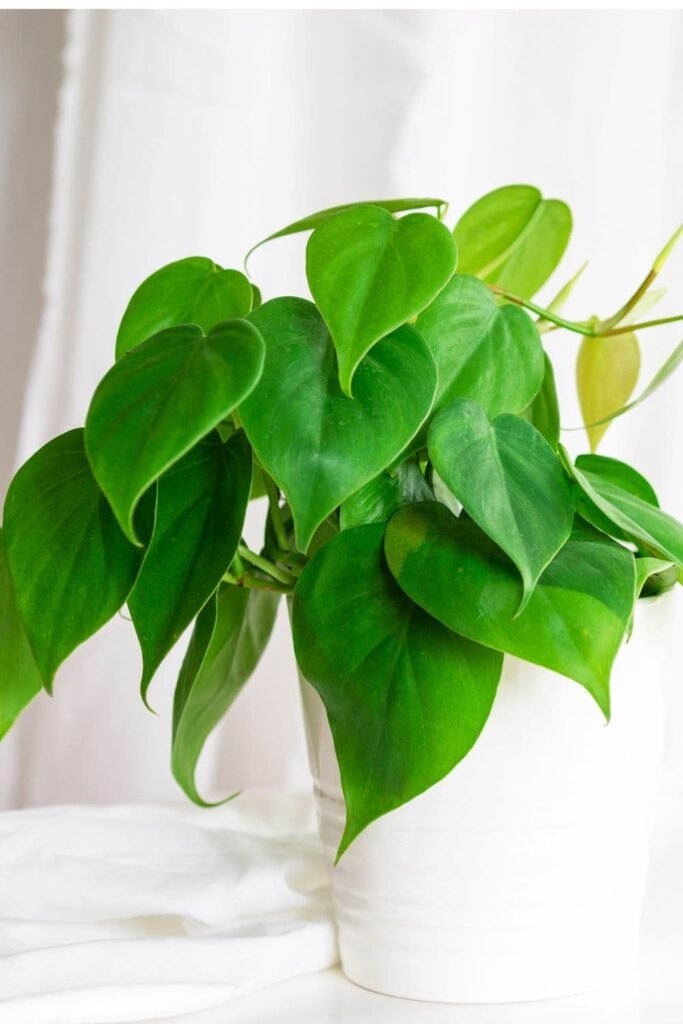
Philodendrons are easy to care for and adapt well to indoor environments. Their varied leaf shapes and sizes bring natural beauty to your space.
You don’t need much effort to keep them healthy. They tolerate low light and irregular watering, making them suitable for beginners.
8) Cast Iron Plant (Aspidistra elatior)
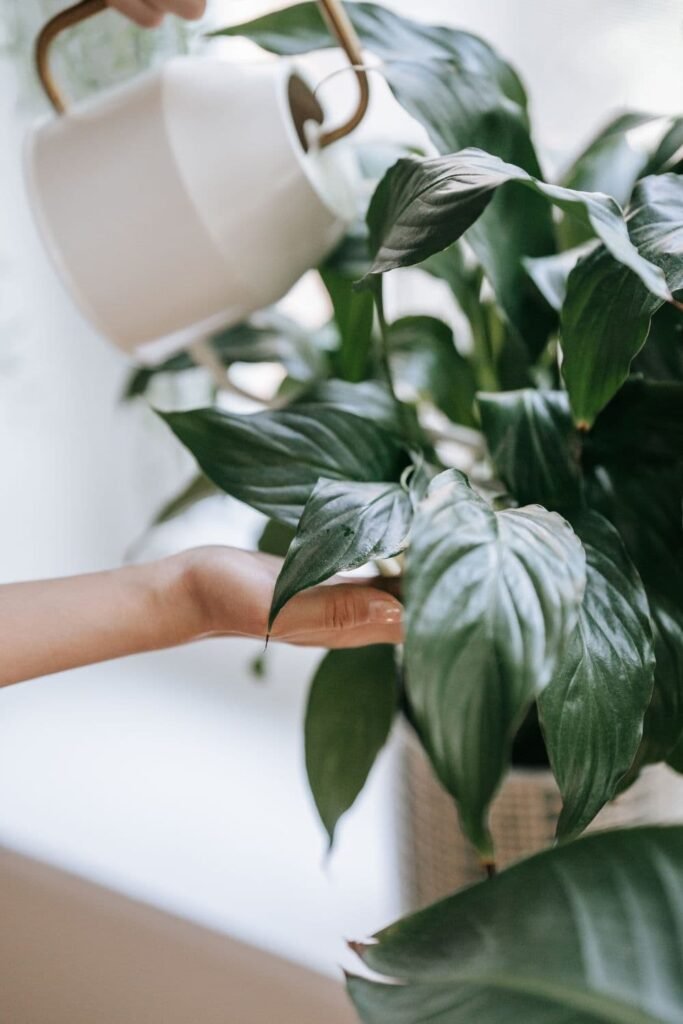
The Cast Iron Plant is known for its durability and low maintenance. It adapts well to low-light areas, making it ideal if you don’t have bright windows.
You only need to water it when the top inch of soil is dry. It prefers well-draining, fertile soil and occasional feeding during the growing season.
This plant’s tough leaves hold up well, even in less-than-ideal conditions. It’s a good choice if you want a resilient indoor plant without much fuss.
9) Rubber Plant (Ficus elastica)
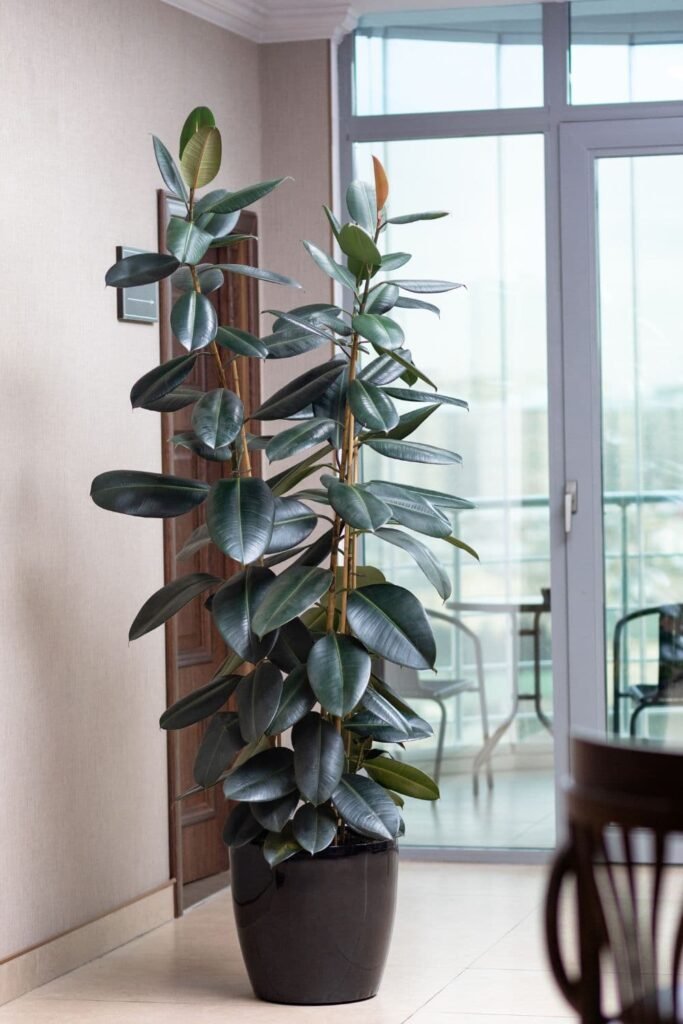
The rubber plant is a popular indoor choice known for its large, glossy leaves. It adapts well to bright, indirect light but can handle some direct sunlight.
You should keep the soil moderately moist and provide warm, humid conditions. Fertilize monthly during the growing season to support healthy growth.
10) English Ivy (Hedera helix)
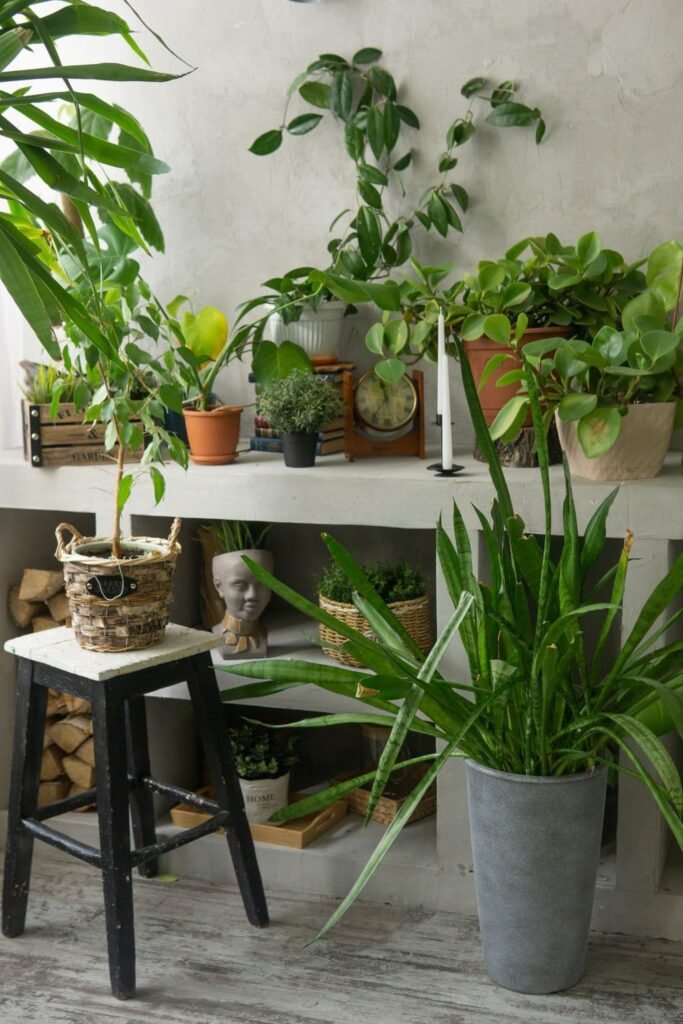
English Ivy is a hardy, evergreen vine that adapts well to indoor conditions. You’ll appreciate its trailing vines and classic green foliage, which add elegance to any space.
This plant prefers bright, indirect light and moderate watering. Keep the soil evenly moist but avoid overwatering to prevent root issues.
English Ivy also helps improve indoor air quality. It grows quickly, so regular pruning keeps it looking tidy and encourages fuller growth.
11) Dracaena
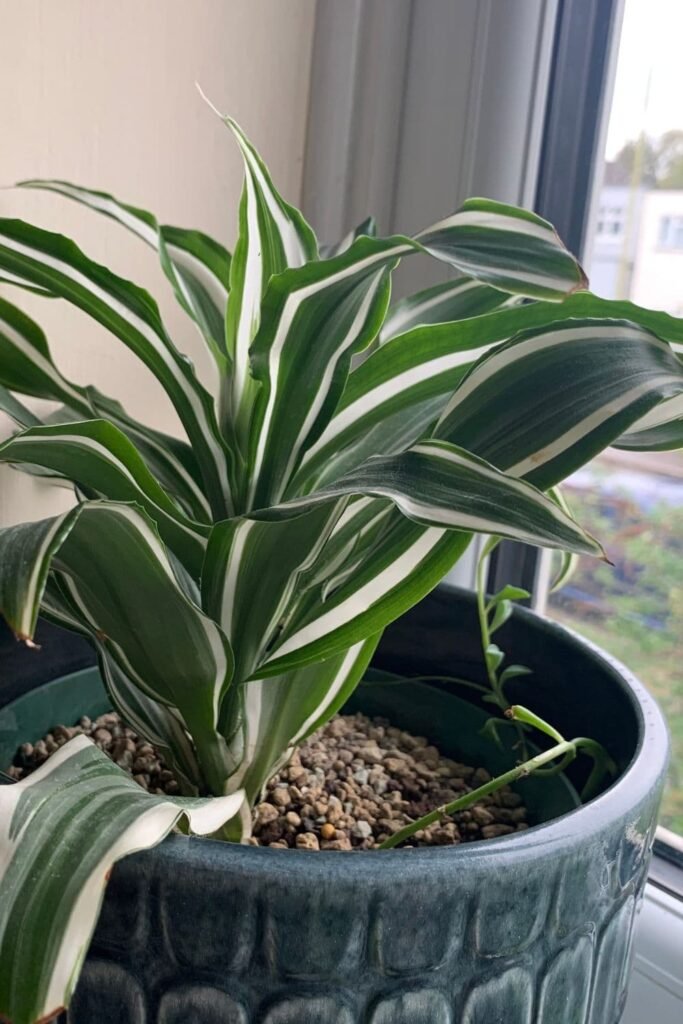
You will find Dracaena plants easy to care for, making them ideal for beginners. They adapt well to low and medium light, but bright, indirect light helps them grow best.
Water your Dracaena when the top inch of soil feels dry. Avoid overwatering to prevent root rot.
These plants also improve indoor air quality by filtering common toxins. Their long, arching leaves add a modern, tropical touch to your space.
12) Chinese Evergreen (Aglaonema)
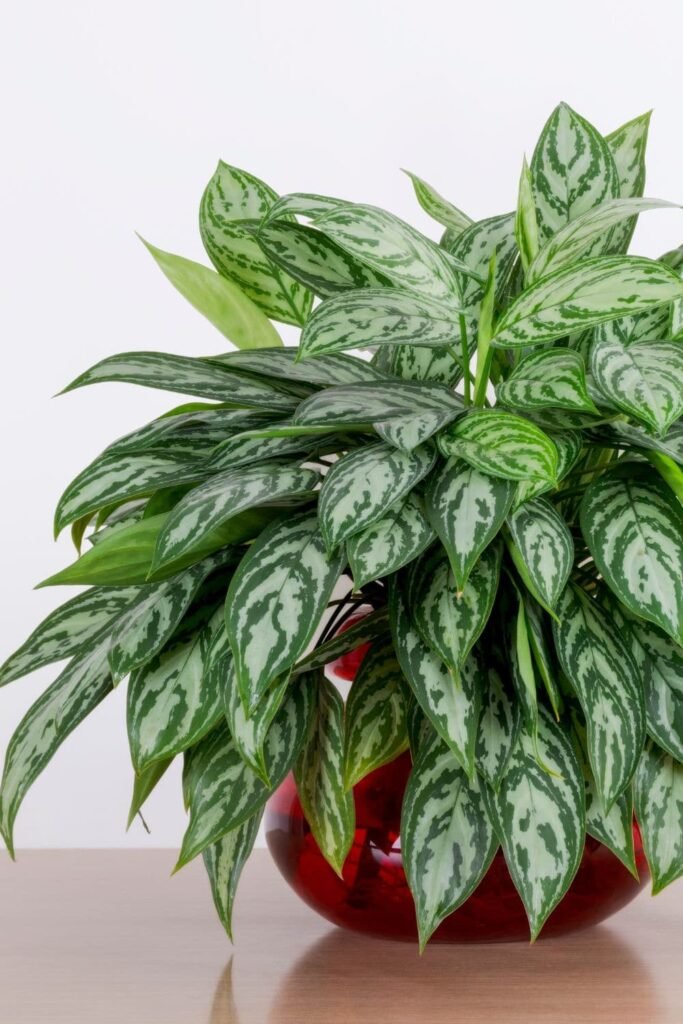
The Chinese Evergreen is a resilient indoor plant known for its decorative, patterned leaves. It adapts well to low light, making it suitable for many indoor spaces.
You only need to water it moderately and keep it in well-drained soil. It prefers humidity around 50-55% and temperatures between 18-27°C.
13) Bird’s Nest Fern (Asplenium nidus)
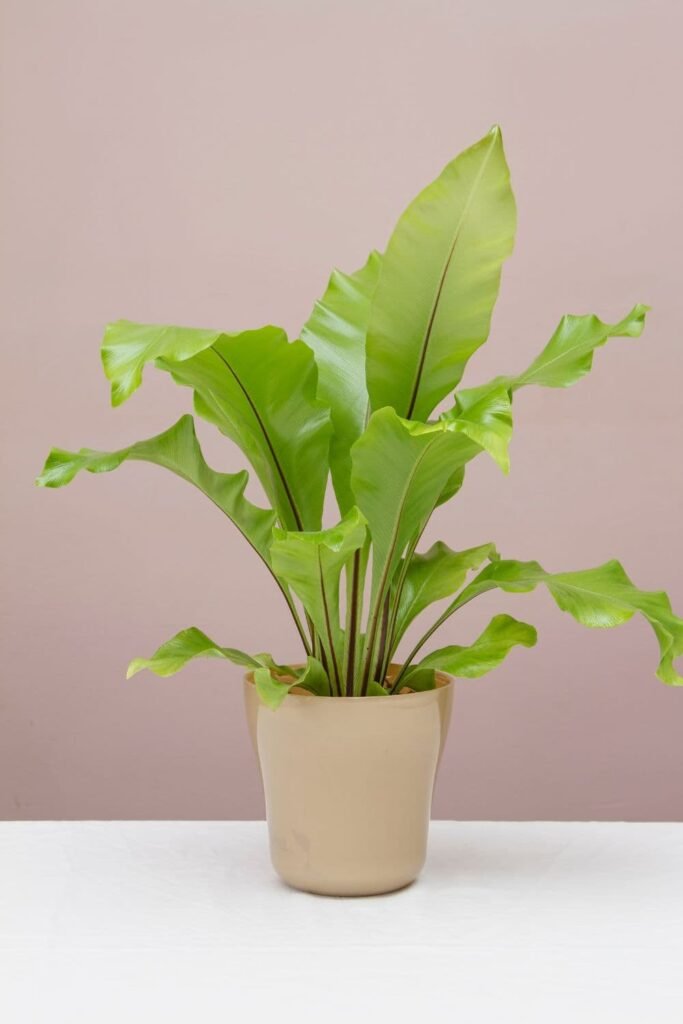
The Bird’s Nest Fern has broad, bright green leaves that form a rosette resembling a bird’s nest. You’ll appreciate its tropical look and moderate size for indoor spaces.
This fern prefers bright, indirect light and consistent moisture. Keep humidity high and soil well-drained but moist to support healthy growth.
14) Jade Plant (Crassula ovata)
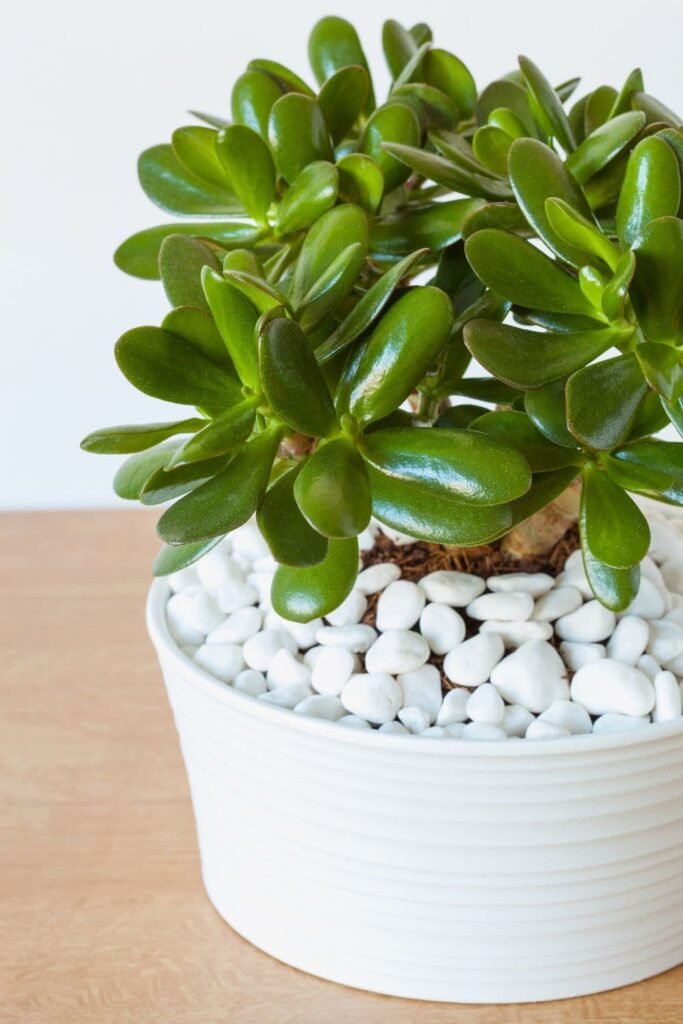
You will find the Jade Plant easy to care for, making it ideal for beginners. It has thick, glossy leaves and a sturdy structure that adds a simple, elegant touch to your indoor space.
Place your Jade Plant in bright light with some direct sun. Water it moderately, allowing the soil to dry between waterings, and use well-draining succulent soil to avoid root rot.
Your Jade Plant benefits from occasional feeding during the growing season. With minimal maintenance, it can thrive for years, symbolizing prosperity while enhancing your home’s greenery.
15) Parlor Palm (Chamaedorea elegans)
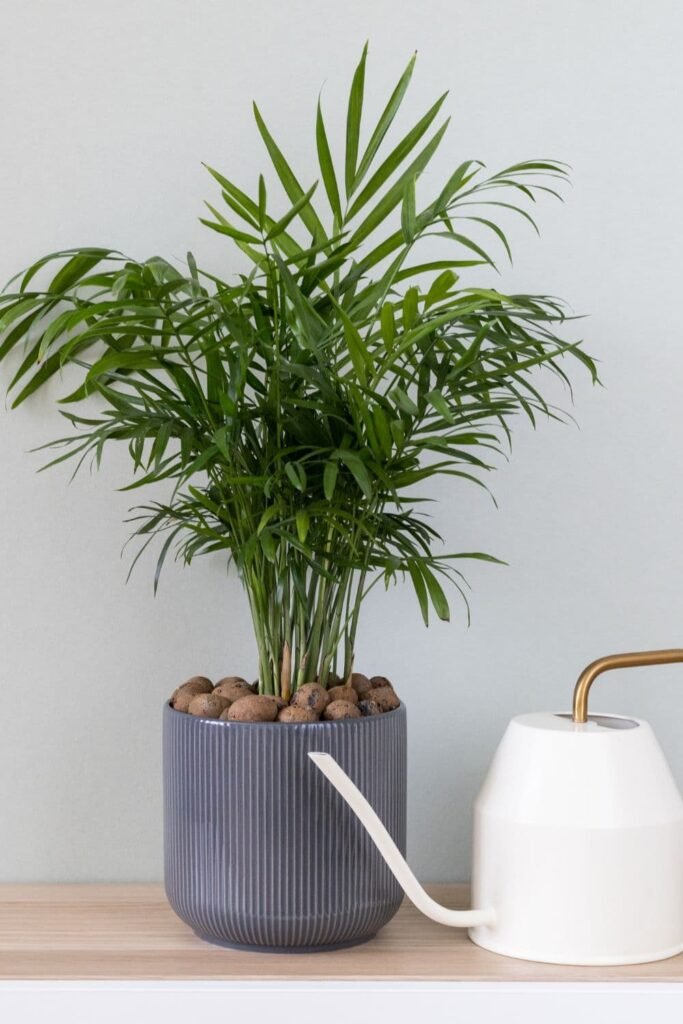
The Parlor Palm is a low-maintenance indoor plant ideal for beginners. It thrives in low light and requires minimal watering, making it easy to care for in most indoor environments.
You should keep its soil moist but avoid overwatering to prevent root rot. This palm adapts well to average room temperatures and benefits from occasional feeding during the growing season.
16) Arrowhead Plant (Syngonium podophyllum)
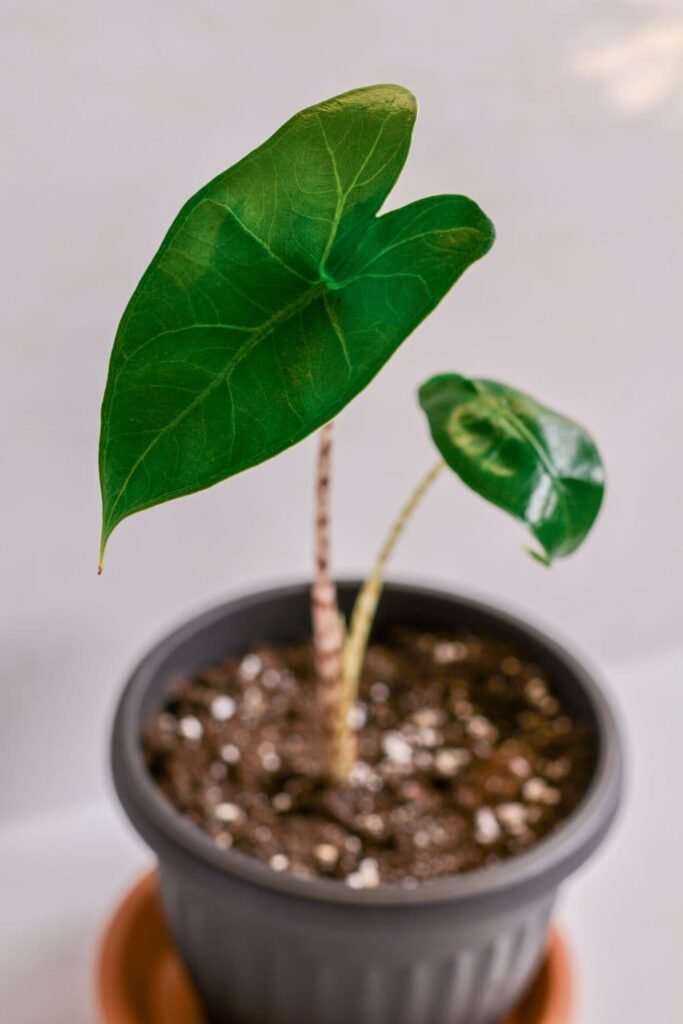
The Arrowhead Plant is known for its distinctive arrow-shaped leaves that change shape as the plant grows. It adapts well to various indoor conditions, making it ideal for beginners.
You should place it in bright, indirect light and water when the top inch of soil feels dry. It also benefits from moderate humidity and regular fertilizing during the growing season.
Be cautious if you have pets, as this plant can cause irritation if ingested. Its ease of care and attractive foliage make it a popular choice for indoor gardeners.
17) Calathea
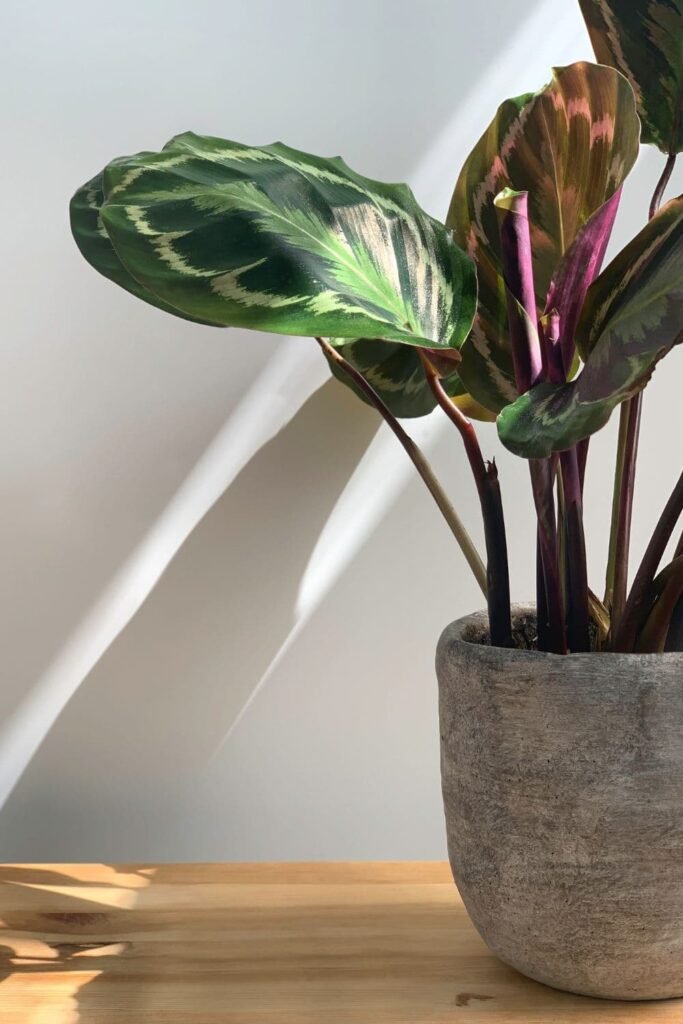
Calathea is a tropical plant known for its striking, patterned leaves that move throughout the day. It thrives in bright, indirect light but can tolerate lower light levels, making it suitable for many indoor spaces.
You need to keep the soil consistently moist but avoid waterlogging. High humidity is essential to prevent brown leaf edges; use a humidifier or pebble tray if your air is dry.
18) Boston Fern (Nephrolepis exaltata)
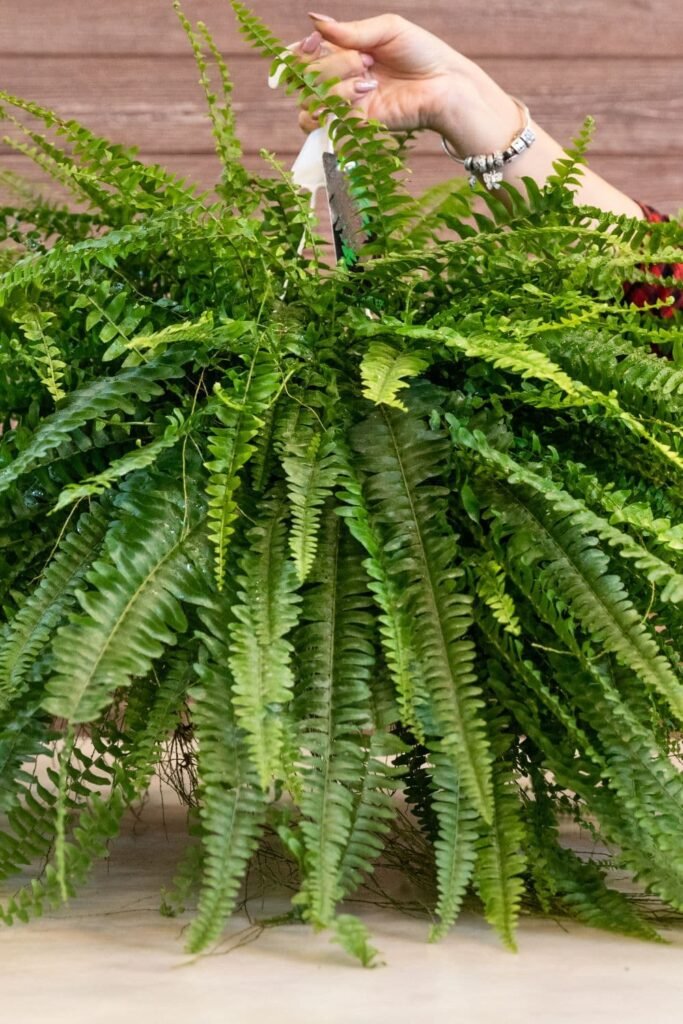
You will find Boston Ferns to be classic houseplants with arching, feathery fronds that bring a woodland feel indoors. They thrive in bright, indirect light and prefer high humidity.
Keep the soil consistently moist but avoid waterlogging. Regular misting or a humidifier will help maintain the humidity your fern needs to stay healthy.
19) Prayer Plant (Maranta leuconeura)
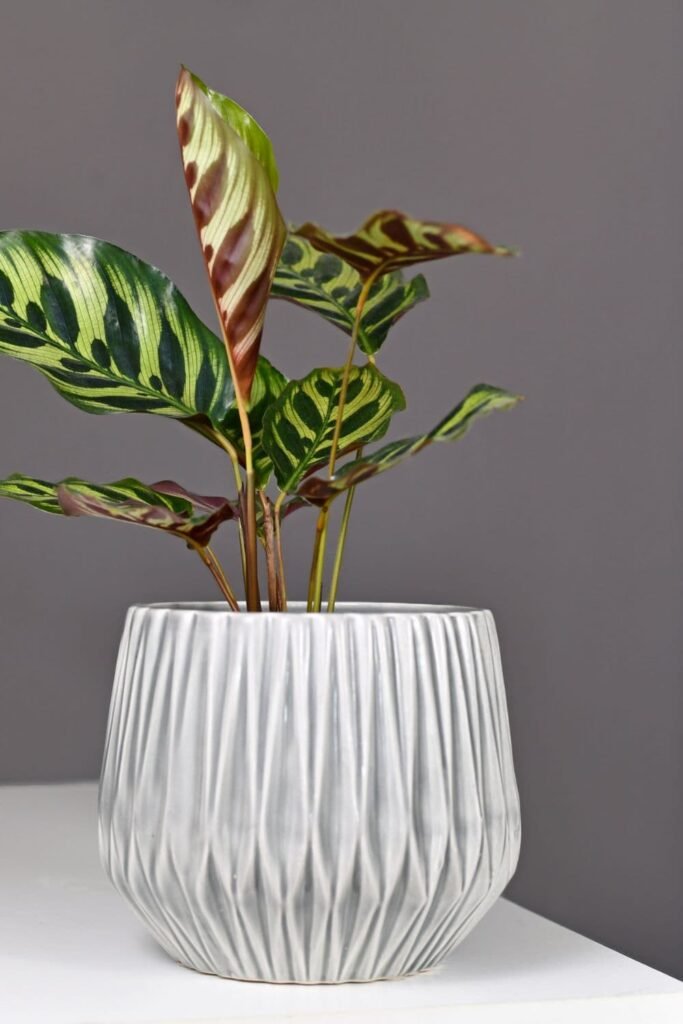
The Prayer Plant is known for its striking, patterned leaves that fold up at night, resembling hands in prayer. This leaf movement makes it a unique and interesting addition to your indoor garden.
It thrives in bright, indirect light and prefers well-draining soil. Maintain humidity and keep temperatures between 65-75°F (18-23°C) for best growth.
Water regularly but avoid waterlogging. Feed your plant every two weeks during spring and summer to support healthy development. The Prayer Plant is suitable for beginners due to its manageable care needs.
20) Sweetheart Plant (Hoya kerrii)
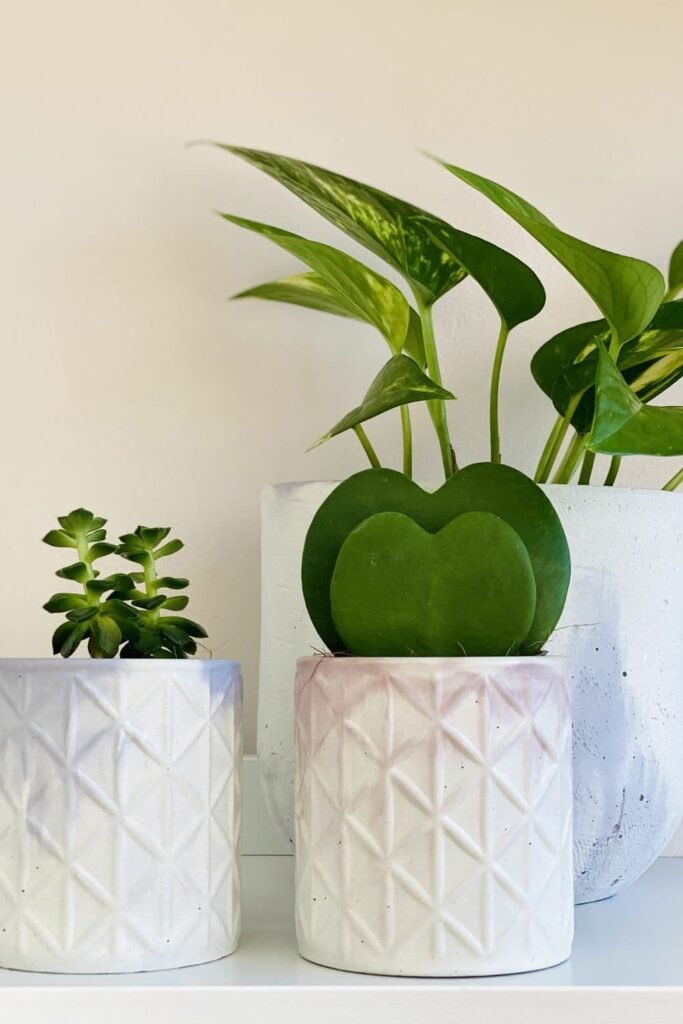
You will find the Sweetheart Plant recognizable by its thick, heart-shaped leaves. It thrives in bright, indirect light and requires minimal watering, making it easy to care for.
This plant prefers well-draining soil and occasional watering to avoid root rot. It is slow-growing and can add a unique charm to your indoor space.
21) Lucky Bamboo (Dracaena sanderiana)
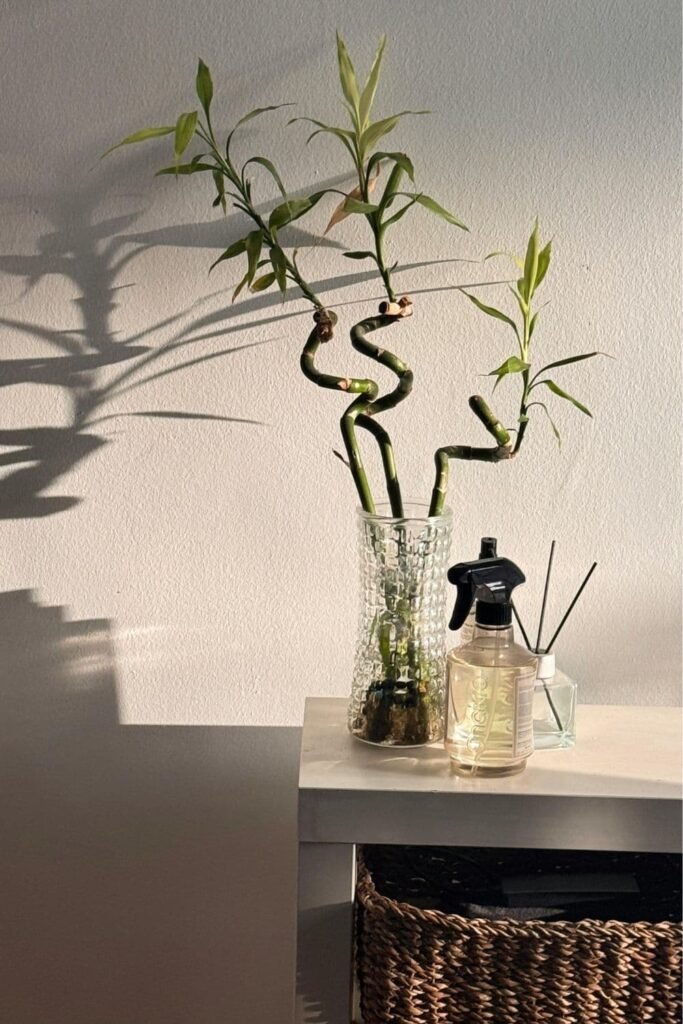
Lucky Bamboo is not true bamboo but a Dracaena species often grown indoors. It thrives in bright, indirect light and prefers moist soil or water culture.
You only need to water it regularly and avoid direct sunlight. Its low maintenance makes it ideal for beginners. It also symbolizes good fortune in many cultures.
22) Orchid (Phalaenopsis)
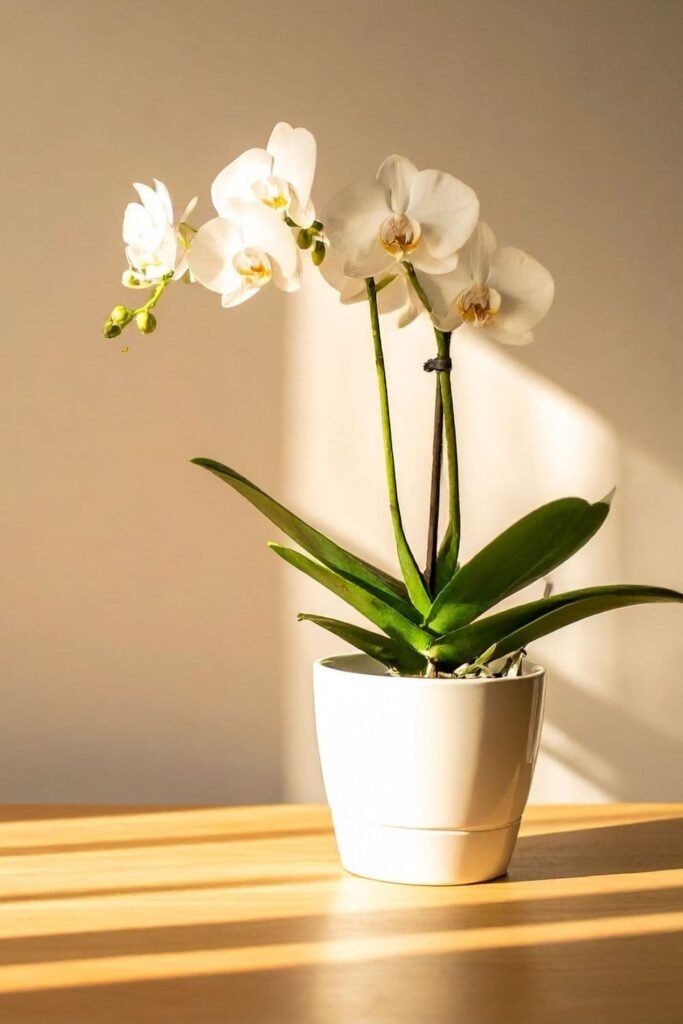
The Phalaenopsis orchid, also known as the moth orchid, is one of the easiest orchids to grow indoors. It thrives in bright, indirect light and prefers consistent moisture without being waterlogged.
You will find its long-lasting blooms and thick, leathery leaves attractive. These orchids adapt well to typical indoor conditions, making them suitable for beginners.
23) Chinese Money Plant (Pilea peperomioides)
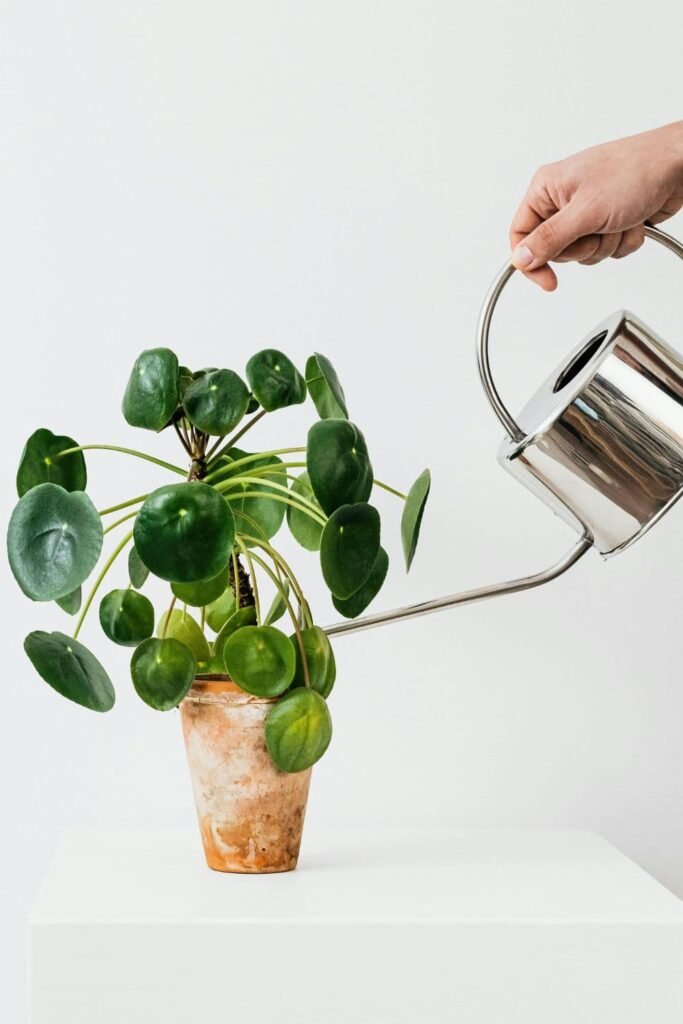
You will appreciate the Chinese Money Plant for its distinctive round, coin-shaped leaves. It is an easy-to-care-for houseplant that suits beginners.
Place it in bright, indirect light to avoid leaf scorch. It prefers well-draining soil and moderate watering, allowing the soil to dry between waterings.
This plant is non-toxic to pets, making it safe for households with animals. It also produces small offshoots that you can propagate easily.
Best Indoor Plant Care Tips
To keep your indoor plants thriving, you need to pay close attention to watering, lighting, soil, and nutrients. Each factor plays a specific role in supporting healthy growth and preventing common problems like root rot or nutrient deficiencies.
Watering Guidance
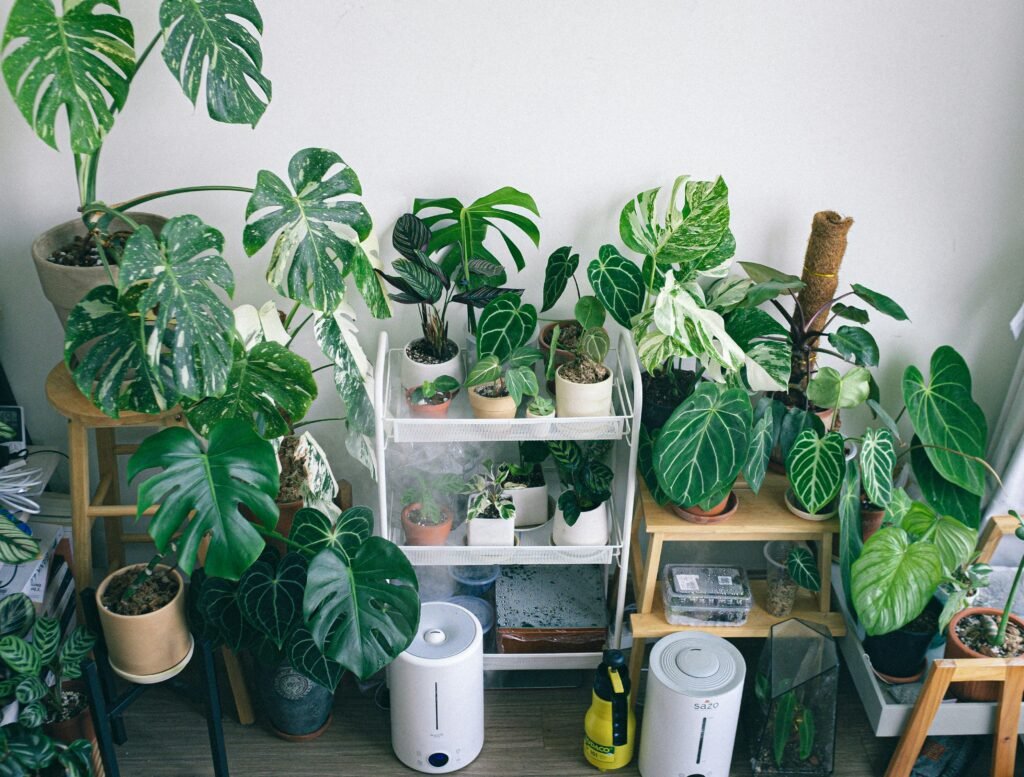
Water your plants based on their specific needs rather than a fixed schedule. Overwatering is the most common mistake. Check the top inch of soil; if it feels dry, it’s usually time to water. For succulents and cacti, allow the soil to dry out almost completely between watering.
Use room temperature water to avoid shocking the roots. Water thoroughly until it drains out the bottom to promote deep root growth. Avoid letting plants sit in standing water, which can cause root rot.
Humidity-sensitive plants benefit from occasional misting or placing a humidifier nearby, especially in dry indoor environments.
Ideal Lighting Conditions
Most indoor plants thrive in bright, indirect light. Direct sunlight can scorch leaves, while low light may cause slow growth or leaf drop. Place plants near east- or west-facing windows where they get moderate sunlight.
If natural light is limited, consider using a full-spectrum grow light to supplement. Different plants have different requirements, so research your plant’s preferred light intensity.
Rotate your plants regularly to ensure even exposure on all sides. This prevents leaning and promotes balanced growth.
Soil and Fertilization Basics
Use a well-draining potting mix suited to your plant type. For example, succulents require a gritty mix to prevent excess moisture retention, while tropical plants prefer a more nutrient-rich, moisture-retentive soil.
Fertilize during the growing season, typically spring through early fall, using a balanced, water-soluble fertilizer. Follow label instructions closely to avoid overfeeding, which can harm roots.
Avoid fertilizing in winter when many indoor plants enter dormancy and require minimal nutrients. Regularly refresh the soil or repot every 1-2 years to maintain soil health and provide room for growth.
Common Challenges for Beginner Indoor Gardeners
Starting an indoor garden means dealing with issues like watering, light, and pests. Each challenge requires specific care strategies to ensure your plants stay healthy and thrive in your home environment.
Preventing Overwatering
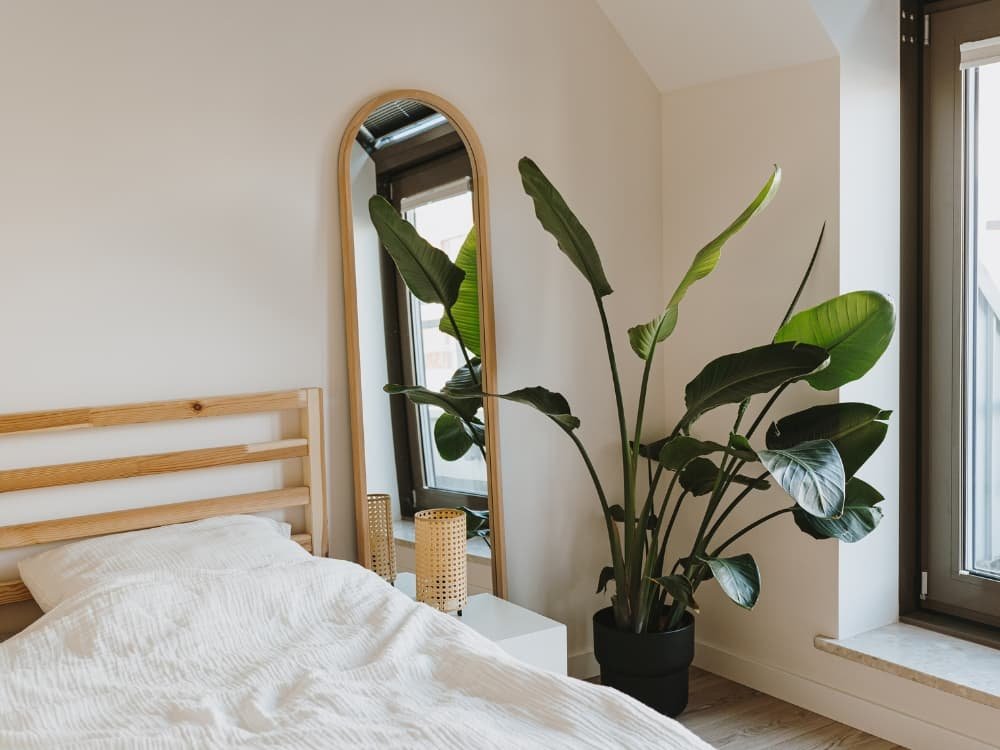
Overwatering is one of the most common mistakes for new indoor gardeners. Too much water can drown plant roots, leading to root rot and yellowing leaves.
You should check soil moisture before watering by sticking your finger about an inch deep. If the soil feels dry, it’s time to water. Use pots with drainage holes to prevent water from pooling at the bottom.
Water frequency depends on plant type, pot size, and room humidity. Succulents and cacti need less water compared to tropical plants. Keep a watering schedule but remain flexible, adapting based on how your plants respond.
Dealing With Low Light
Many indoor spaces have limited natural light, which can slow plant growth and cause leaves to wilt or drop. Select plants that tolerate or prefer low-light conditions, such as snake plants or pothos.
Position plants near east or north-facing windows for indirect light. If natural light is insufficient, consider using grow lights designed for indoor plants to supplement.
Rotate your plants regularly to ensure even exposure. Avoid sudden moves to darker areas, as this stresses the plants and can stunt growth.
Managing Pests Indoors
Indoor plants can attract pests like spider mites, aphids, and fungus gnats. These insects damage leaves, stunt growth, and spread disease if left untreated.
Inspect your plants weekly for small webs, sticky residue, or discolored spots. Use a strong spray of water to dislodge pests or wipe leaves with a damp cloth.
For persistent infestations, apply insecticidal soap or neem oil following instructions carefully. Isolate affected plants to prevent pests from spreading to others. Maintaining a clean environment and avoiding overwatering help reduce pest problems.
Wrapping Up Your Plant Journey 🌿✨
Adding plants to your home doesn’t have to be complicated — and with these 23 beginner-friendly beauties, you can enjoy all the charm, color, and life they bring without feeling overwhelmed. Whether you’re looking for a touch of green in your kitchen, a statement plant in the living room, or a trailing beauty by the window, there’s something here to match your style and space.
If this guide inspired you, there’s plenty more where that came from!
- Follow us on Pinterest for daily plant styling ideas, decor tips, and easy care hacks you can save for later.
- Join our Plant Community Newsletter to get cozy inspiration, care reminders, and exclusive product finds straight to your inbox.
- Keep exploring — check out my other blog posts for more renter-friendly plant decor ideas, styling inspiration, and plant care guides.
Your dream indoor jungle is just a few plants away. 🌱💛