
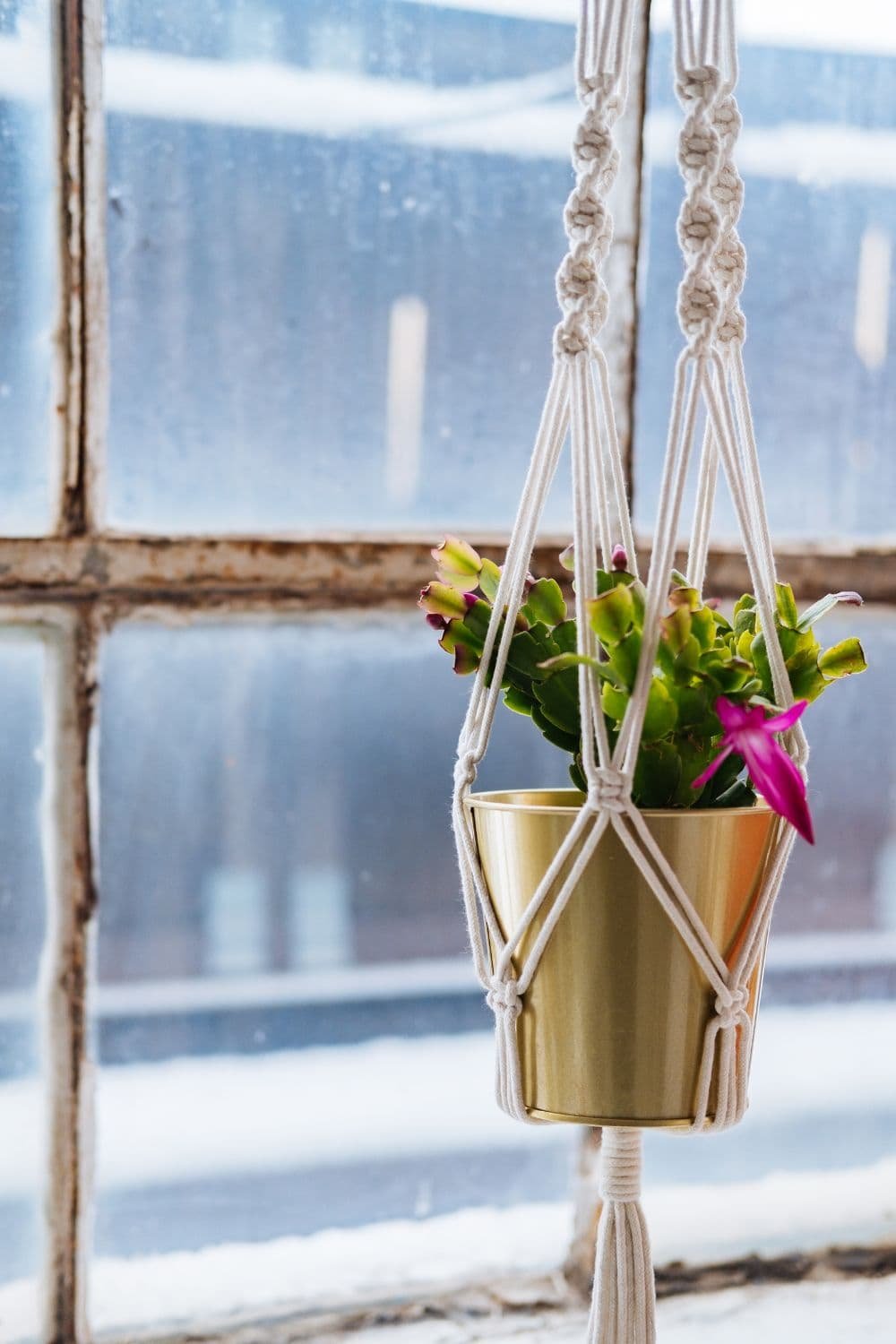
The Complete Christmas Cactus Care Guide: How to Keep Your Holiday Blooms Thriving Year After Year
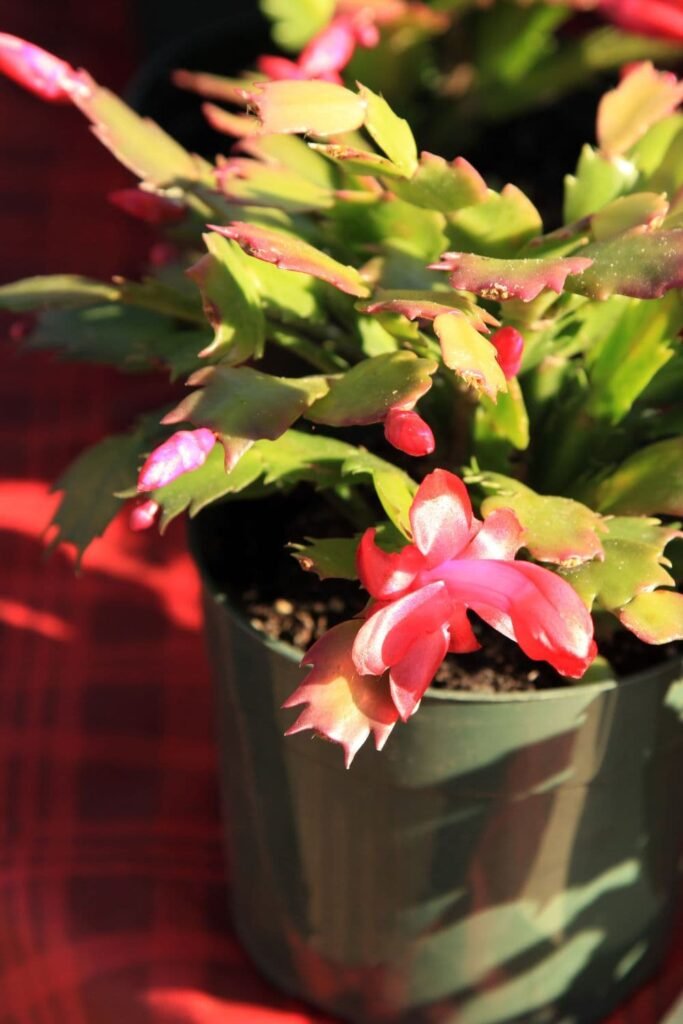
If you’ve ever walked into a cozy holiday home and spotted a bright, blooming cactus perched in the window, chances are it was a Christmas cactus. With its elegant arching stems and vibrant winter blooms, it’s a holiday showstopper—and surprisingly easy to care for once you know the ropes. In this Christmas cactus care guide, we’ll walk through everything you need to know to keep yours healthy, happy, and blooming year after year.
Whether you’re brand-new to plant parenting or just want to finally crack the code to those elusive winter blooms, you’re in the right place. Let’s dig in (pun totally intended).
Table of Contents
🌞 Light Requirements for a Christmas Cactus
Let’s start with where to place your new green friend.
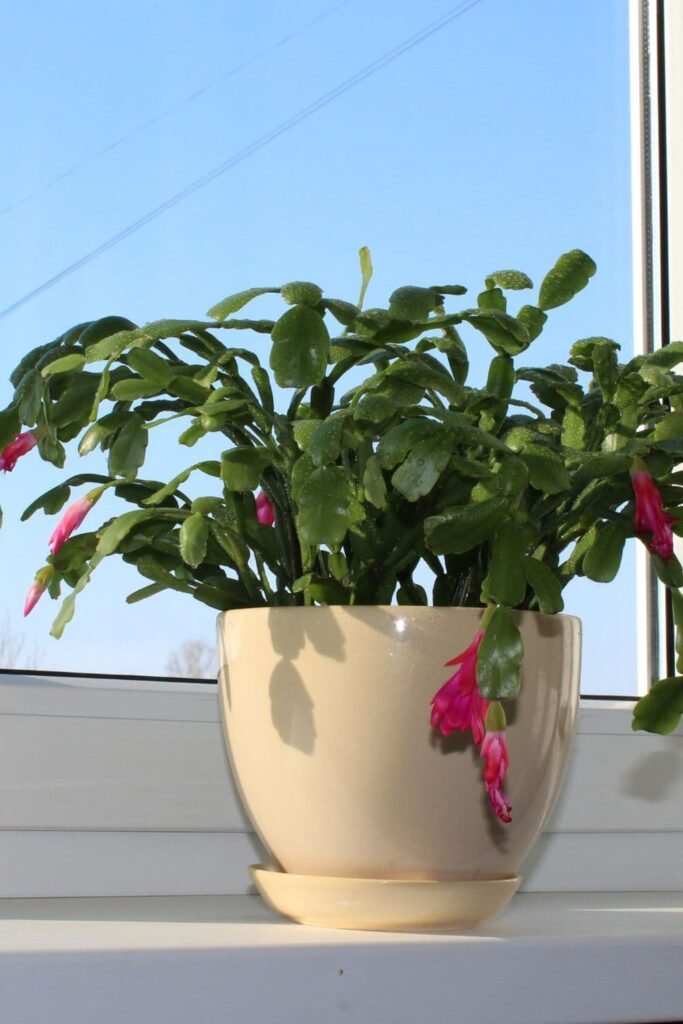
Unlike the classic desert cactus, the Christmas cactus (Schlumbergera spp.) hails from the shady, humid forests of Brazil. That means it doesn’t want to bake in direct sun all day. In fact, too much light can cause scorched leaves and poor blooming.
Best Light Conditions:
- Bright, indirect light is ideal—think east- or north-facing windows.
- Avoid placing it in direct afternoon sun, especially in summer.
- If your home gets darker in the winter, consider using a grow light to supplement.
✨ Pro tip: Rotate the plant every few weeks to keep growth even on all sides!
💧 Watering Your Christmas Cactus the Right Way
Now, let’s talk water—arguably the trickiest part for most plant parents.
Unlike other succulents, Christmas cacti like a bit more moisture. But they hate soggy roots. So how do you find that sweet spot?
Whether they’ve got a balcony full of thriving herbs or a cozy corner packed with pothos, every plant lover deserves a gift that makes their green-hearted world even brighter. ❤️15 Thoughtful Gifts for Plant & Garden Lovers
Watering Tips:
- Water when the top 1-2 inches of soil feel dry.
- Use room temperature water to avoid shocking the roots.
- In spring and summer, water more frequently (every 7–10 days).
- In fall and winter, cut back—water every 2–3 weeks.
🌱 Check your pot! Make sure it has a drainage hole to prevent root rot.
🍃 Best Soil & Fertilizer for Christmas Cactus Care
This plant’s not fussy—but it does have some preferences when it comes to soil and feeding.
Soil Needs:
- Use a well-draining potting mix—a cactus or succulent mix works great.
- Or, mix regular potting soil with perlite or orchid bark for better aeration.
Fertilizing Schedule:
- During the growing season (April to October), feed monthly with a balanced houseplant fertilizer diluted to half strength.
- Stop fertilizing in late October to encourage blooming.
🪴 Looking for the perfect mix? Check out our favorite cactus soil blends and tools here.
🎄 How to Get Your Christmas Cactus to Bloom
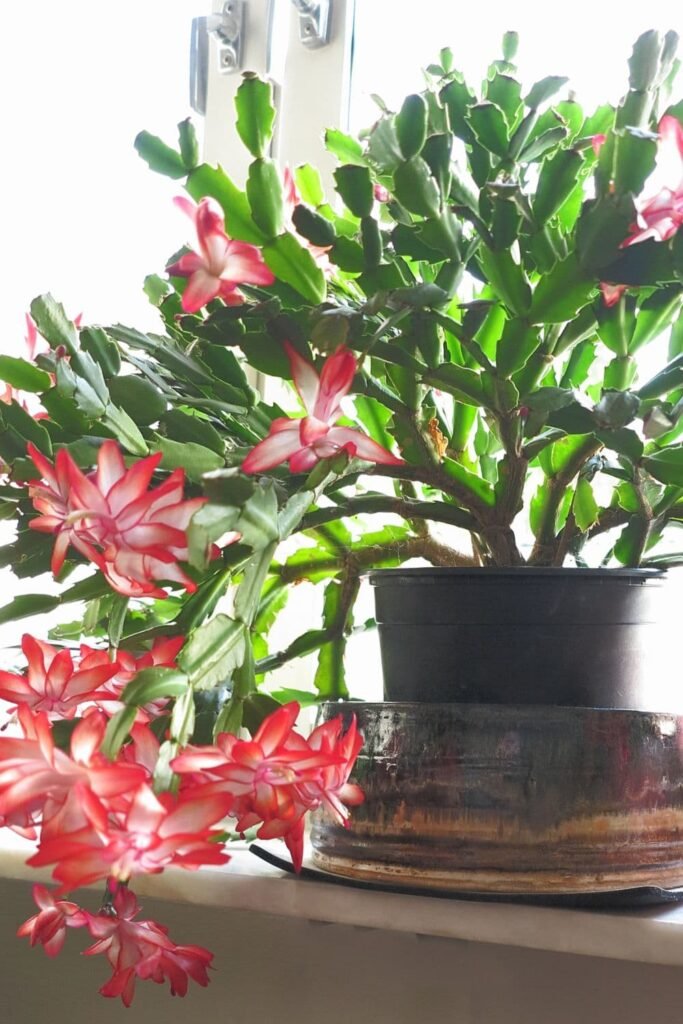
Ah yes, the magical part—blooms! Your Christmas cactus won’t just flower on command, but with a little patience (and the right cues), it’ll burst into color around the holidays.
How to Encourage Blooming:
- Cooler temps – Drop night temps to around 55–65°F (13–18°C) starting in late fall.
- Shorter days – Mimic the plant’s natural blooming trigger by limiting light exposure to 8–10 hours/day for 4–6 weeks.
- Rest period – Reduce watering and stop feeding during this phase to let the plant rest.
💡 Tip: Once buds appear, move the plant back to its normal spot and resume regular care.
😬 Troubleshooting Common Christmas Cactus Problems
Even with the best intentions, things can go a little sideways. Here’s what to do if your cactus throws a fit:
Problem: Buds Dropping Off
Why it happens: Sudden changes in light, drafts, or moving the plant while it’s budding.
Fix it: Keep conditions stable, avoid relocating it, and maintain even watering.
Problem: Wrinkled, Shriveled Leaves
Likely Cause: Underwatering—or sometimes overwatering!
Fix it: Check soil moisture. Let dry slightly before watering again.
Problem: No Blooms
Likely Cause: Not enough darkness or incorrect temperature in fall.
Fix it: Follow the blooming instructions above to simulate dormancy.
Problem: Pests (Mealybugs, Spider Mites)
Solution: Wipe leaves with a damp cloth or spray with neem oil.
Be sure to quarantine if it’s a new plant to prevent spread.

❓ Christmas Cactus FAQs
Is Christmas cactus toxic to pets?
Good news! It’s non-toxic to cats and dogs. However, it’s best to keep it out of nibble-reach.
Can I propagate my Christmas cactus?
Yes! Just snip off a section with 2–3 leaf segments and place in water or moist soil.
They root super easily—great for gifting!
How long do Christmas cacti live?
With the right care? Decades. Some are known to live for 50+ years, passed down through generations.
What’s the difference between a Christmas cactus and a Thanksgiving cactus?
It’s all in the leaves! Thanksgiving cactus has pointy, claw-like edges, while Christmas cactus leaves are more rounded. They bloom at slightly different times, too.
🌿 Bring More Green Into Your Life
There you have it—your complete Christmas cactus care guide, with all the seasonal know-how to keep your blooms coming back year after year.
If you’re ready to level up your indoor garden game, here are a few cozy next steps:
- 🌵 Explore 23 Best Indoor Plants for Beginners
- 🪴 Get inspired 15 Thoughtful Gifts for Plant & Garden Lovers
- 🎁 Shop our favorite cactus planters and care kits
And hey—don’t forget to follow us on Pinterest for more holiday-inspired plant care tips and décor inspo!
Happy planting – Plant Decor Daily Team